
Renewable Energy School · Course 8
Power for Whom? Energy Access and Justice
72 minutes · 4 modules of 18 minutes · Free
What this course is about
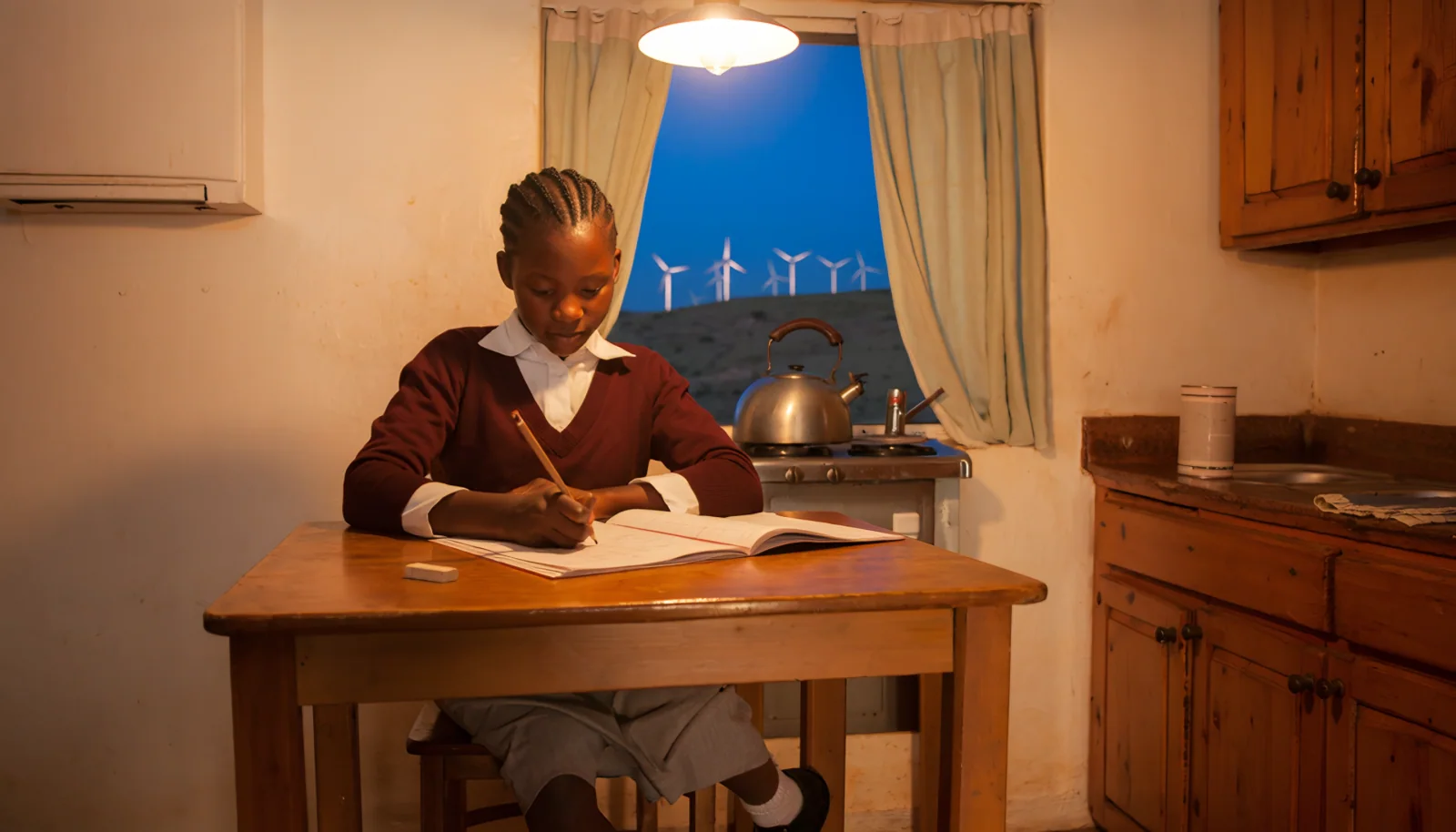
Large power projects are built in places where some households still struggle with reliable or affordable electricity. This course explains the energy system in plain language, explores why that gap can exist, sets out electricity rights, and introduces community and small-scale energy options.
Who it is for
Community members, ward committees, civic organisations, municipal officials and project community liaison staff.
What you will be able to do
- Explain how electricity moves from generation to homes and who is responsible at each step.
- Explore why communities near power projects may lack reliable power.
- Describe household electricity rights, including free basic electricity.
- Identify community and small-scale energy options and the questions to ask.
Preview: the first two minutes
Module 1 · Introduction · 2 min
Animated scene (fictional, Moya): a child asks why the wind farm on the hill sends power away while her home uses candles.
Modules
Module 1 · 18 min
The energy system in plain language
Explain how electricity moves from generation to homes and who is responsible at each step.
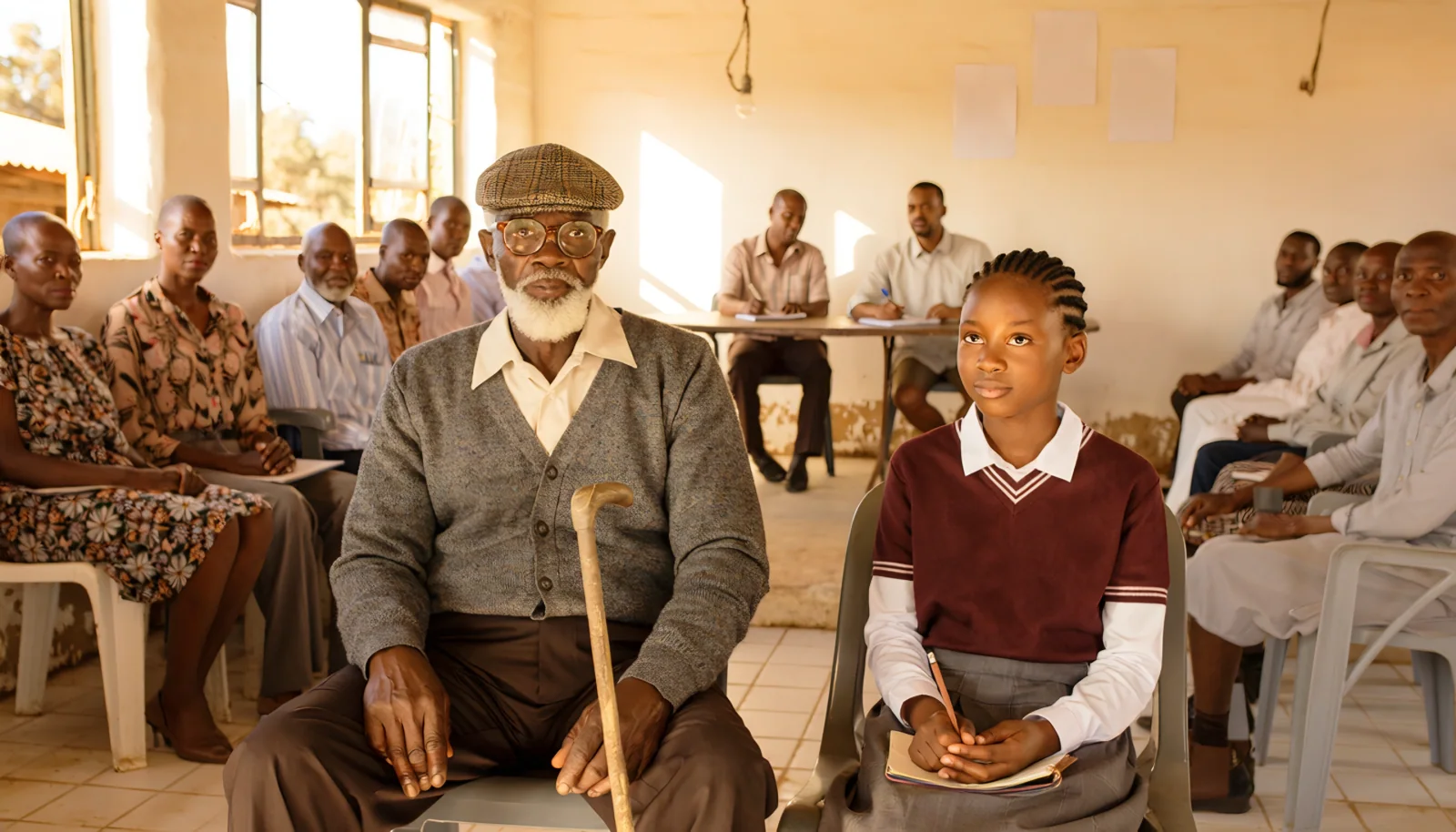
Module 2 · 18 min
Why communities near power projects may lack power
Explore why communities near power projects may lack reliable power.
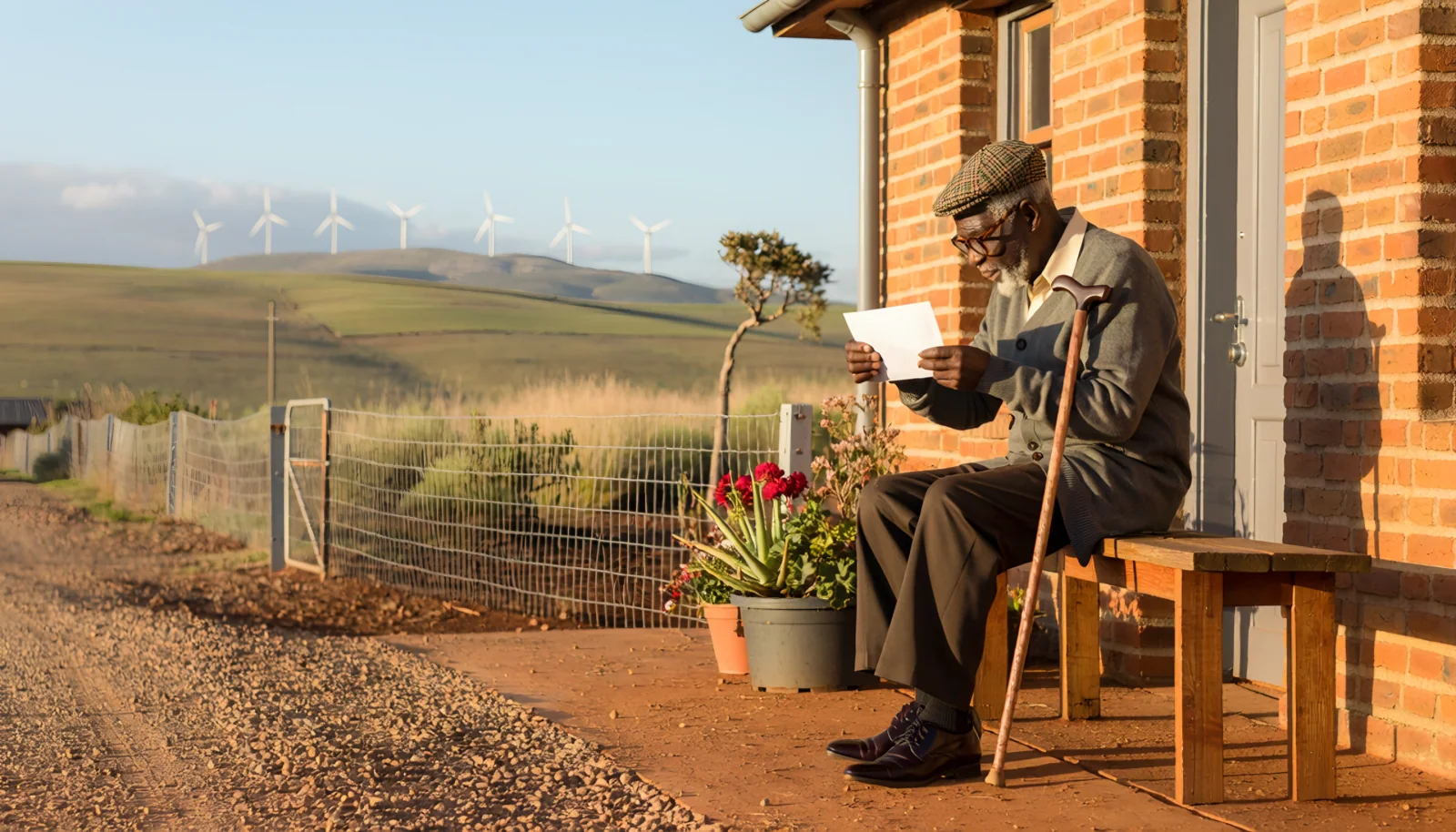
Module 3 · 18 min
Electricity rights and free basic electricity
Describe household electricity rights, including free basic electricity.
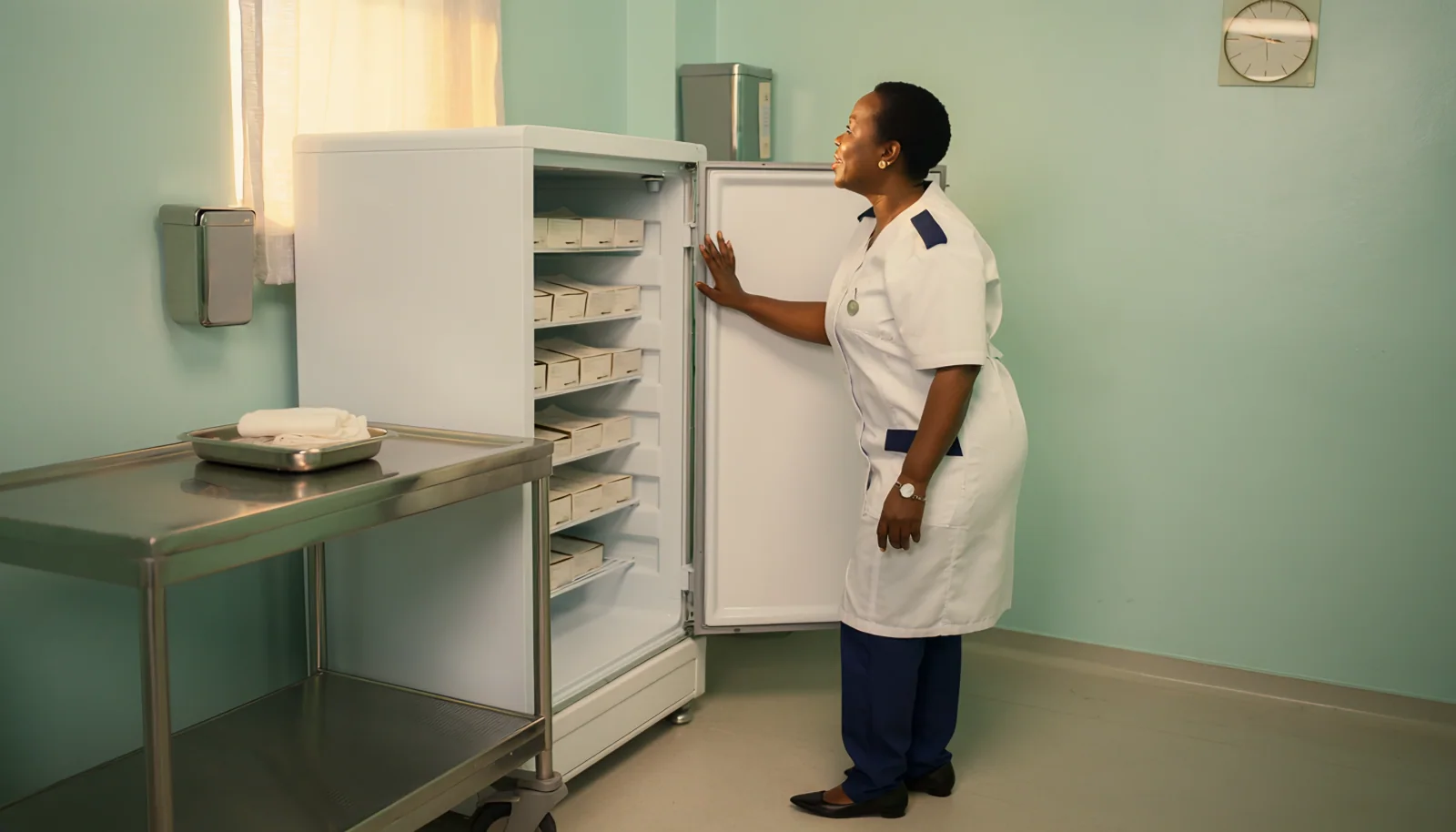
Module 4 · 18 min
Community and small-scale energy options
Identify community and small-scale energy options and the questions to ask.
Go deeper
- How to query an electricity bill: the steps in Module 3, Unit 3.2.
- Questions to ask before a community energy project: the questions in Module 4, Unit 4.2.