
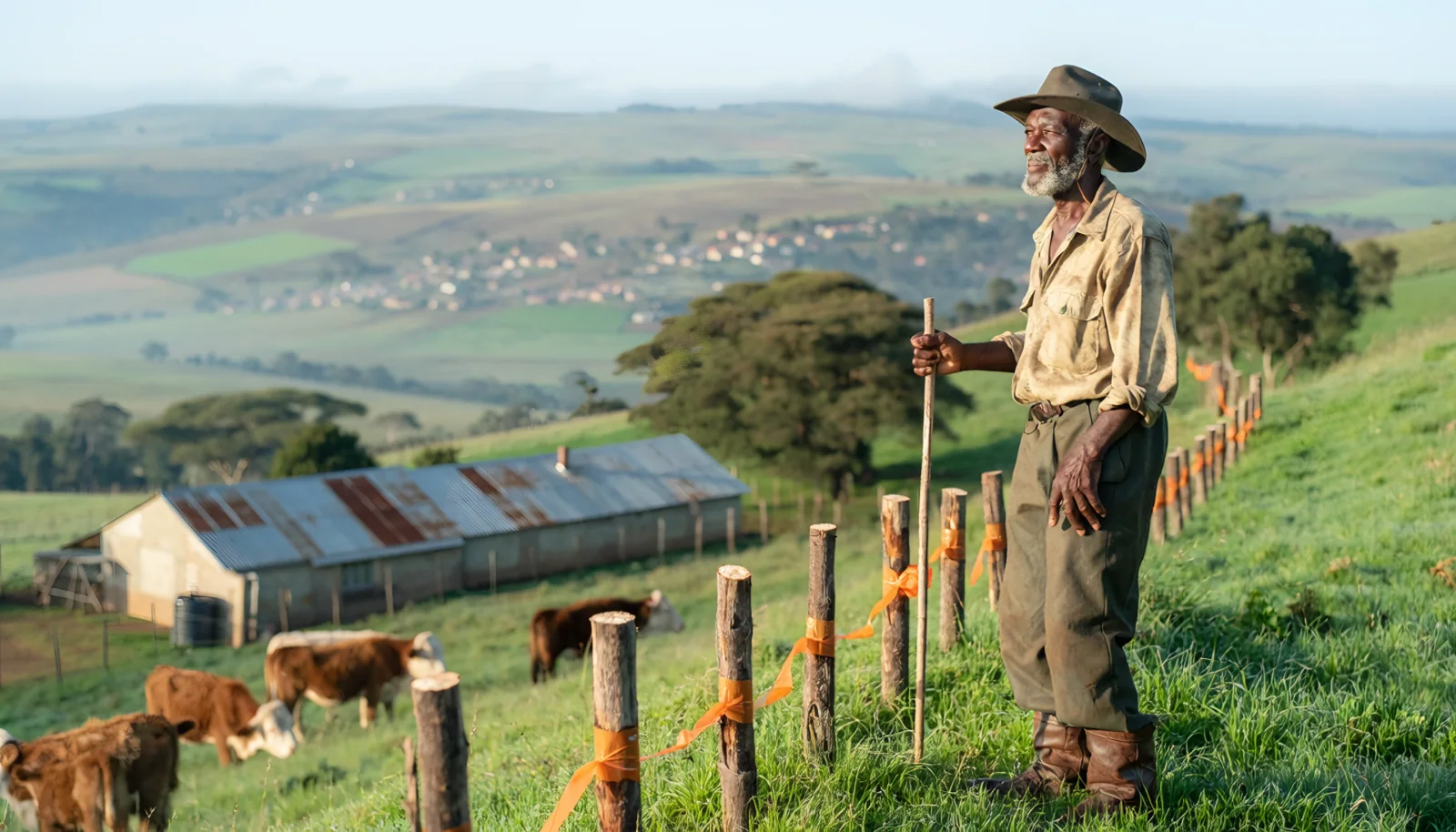
Renewable Energy School · Course 1
Renewable Energy Explained: Roles, Rights and Responsibilities
72 minutes · 4 modules of 18 minutes · Free
What this course is about
This course gives everyone near a wind, solar or battery storage project the same basic map: how projects are built and run, who makes which decisions, what a project may have promised the community, and why interests sometimes clash. It is the recommended first course in the Renewable Energy School.
Who it is for
Community members near existing or planned projects, community trust members, ward committee members, traditional and civic leaders, local business owners, project employees and contractors, and municipal officials new to renewable energy.
What you will be able to do
- Describe the life of a renewable energy project from development to decommissioning.
- Identify who decides what, and explain the difference between projects in public procurement programmes and privately contracted projects.
- Find out what a specific project has committed to the local community, and where those commitments are written down.
- Distinguish shared interests from conflicting ones, and explain why trust grows when both sides expect to deal with each other for many years.
Preview: the first two minutes
Module 1 · Introduction · 2 min
Animated scene (fictional, Moya, a fictional district): a farmer, a school leaver and a municipal clerk each see survey pegs appear on a hill. Each hears a different rumour about what is coming. The screen asks: "Who here actually knows what happens next?"
Modules
Module 1 · 18 min
How wind, solar and storage projects work
Describe the life of a renewable energy project from development to decommissioning.

Module 2 · 18 min
Who decides, and public versus private projects
Identify who decides what, and explain the difference between projects in public procurement programmes and privately contracted projects.
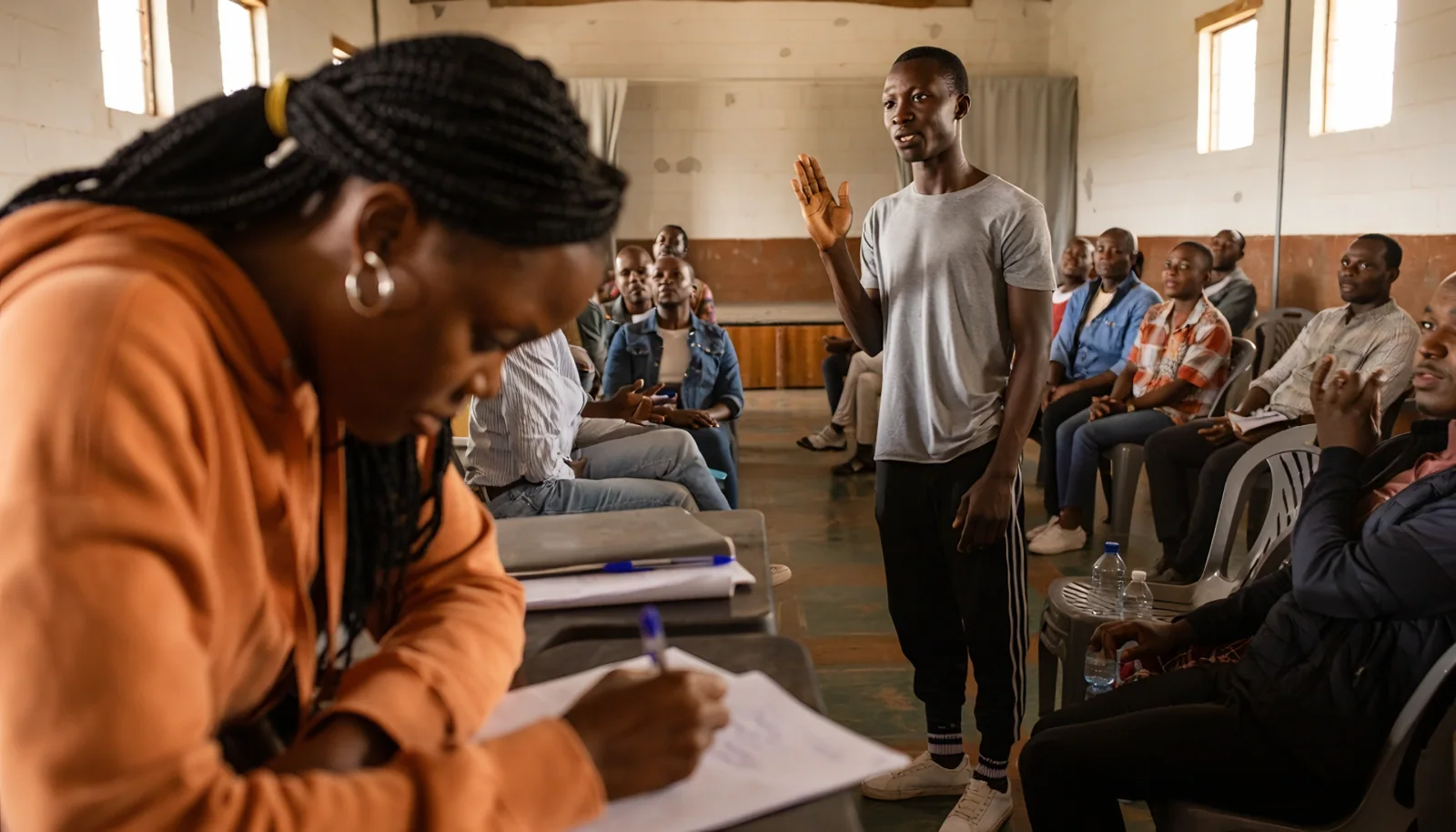
Module 3 · 18 min
What projects promise communities
Find out what a specific project has committed to the local community, and where those commitments are written down.
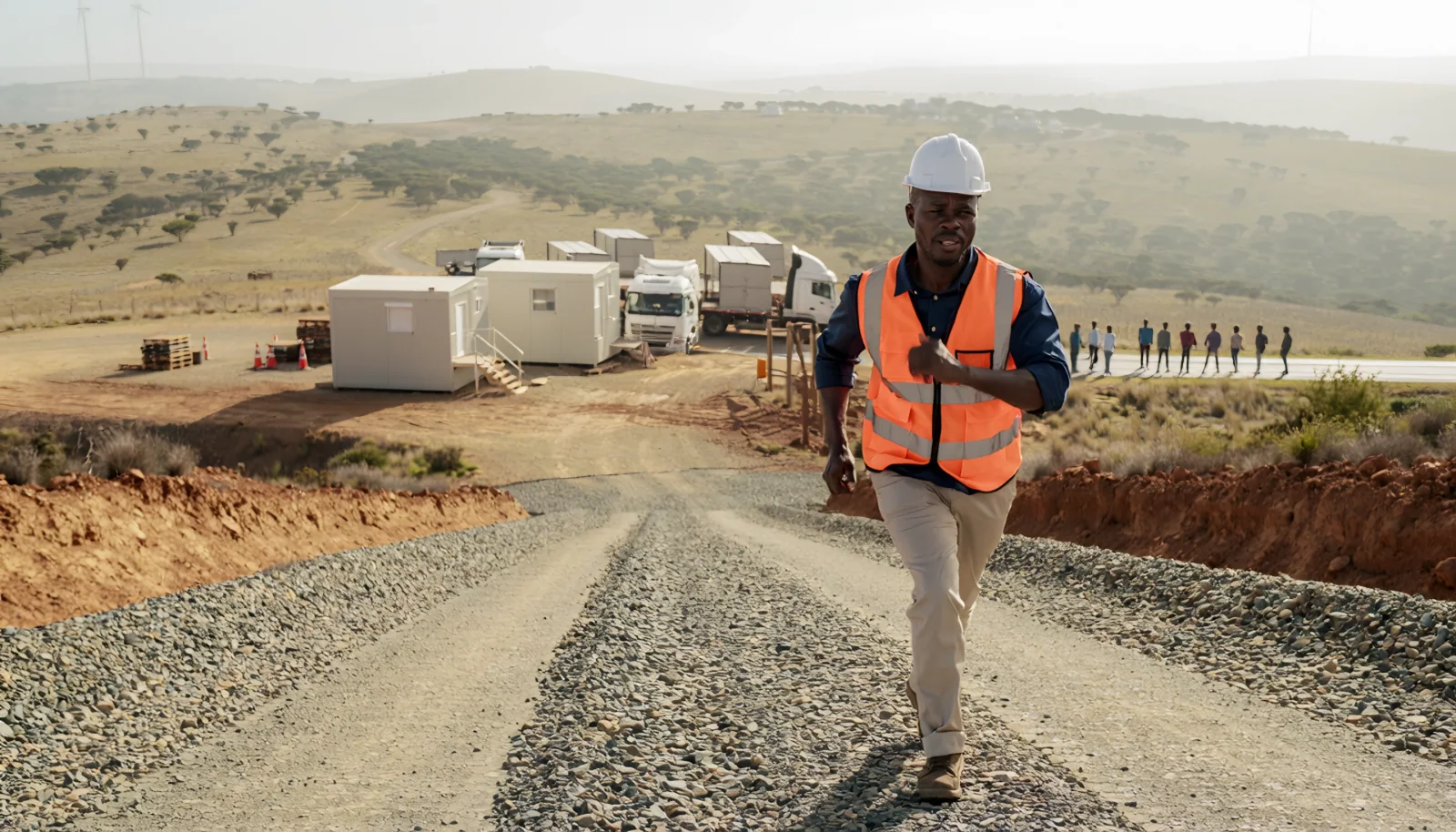
Module 4 · 18 min
Where interests meet and clash
Distinguish shared interests from conflicting ones, and explain why trust grows when both sides expect to deal with each other for many years.
Go deeper
- Wlokas (2015), review of REIPPPP local community development requirements (summary linked in Sources).
- A template list of questions to ask a project about its community commitments.
Sources
- https://www0.sun.ac.za/cst/?p=1324
- https://www.cliffedekkerhofmeyr.com/en/news/publications/2025/Sectors/Projects-Energy/projects-energy-alert-15-January-commencement-of-the-electricity-regulation-amendment-act-38-of-2024
- https://www.ifc.org/content/dam/ifc/doc/mgrt/ifc-performance-standards.pdf
- https://www.ohchr.org/sites/default/files/documents/publications/guidingprinciplesbusinesshr_en.pdf