

Leadership School · Course 1
Introduction to Convening Dialogue
72 minutes · 4 modules of 18 minutes · Free
What this course is about
Many disputes between mines, workers and communities could be eased if someone trusted by all sides brought people together well. This course introduces the basics of convening fair dialogue: staying impartial, understanding a conflict, thinking strategically, and designing a process people can trust.
Who it is for
Community leaders, ward committee members, union representatives, company community relations staff, municipal officials and anyone who is asked to bring people together in a dispute.
What you will be able to do
- Explain what impartiality, confidentiality and ethics mean for someone convening dialogue.
- Analyse a conflict by identifying the people involved, their interests, power and history.
- Use basic game theory ideas (repeated games, trust and alternatives to agreement) to understand behaviour at the table.
- Outline the steps for designing a fair dialogue process.
Preview: the first two minutes
Module 1 · Introduction · 2 min
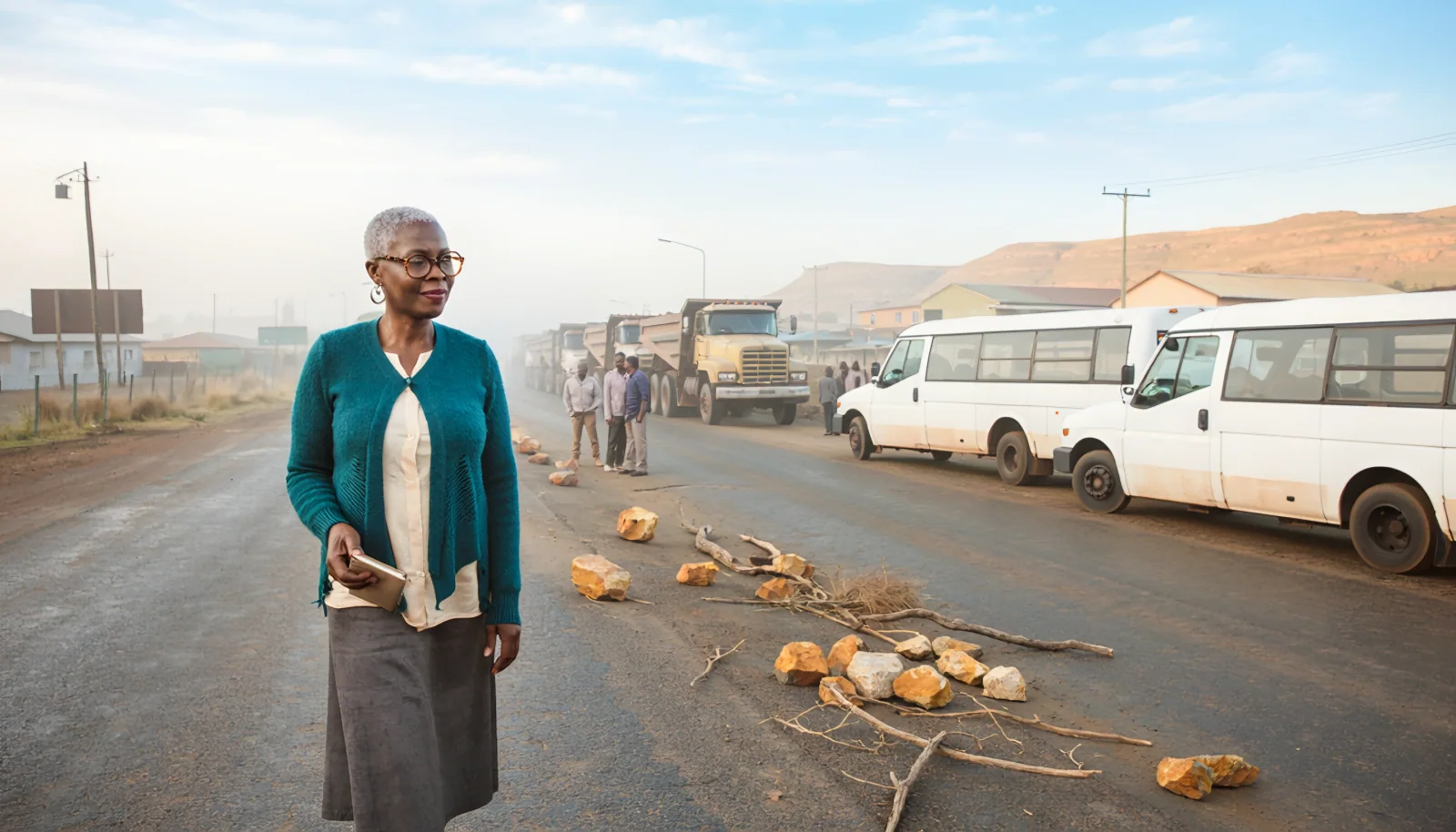
Fictional animation. In Pula, a respected teacher is asked to chair a meeting between the mine and youth demanding jobs. Her nephew works for the mine. Should she chair?
Modules
Module 1 · 18 min
Impartiality and ethics
Explain what impartiality, confidentiality and ethics mean for someone convening dialogue.
Module 2 · 18 min
Reading a conflict
Analyse a conflict by identifying the people involved, their interests, power and history.

Module 3 · 18 min
Strategy at the table
Use basic game theory ideas to understand behaviour at the table.

Module 4 · 18 min
Designing a fair dialogue
Outline the steps for designing a fair dialogue process.
Go deeper
- ICMM, *Handling and Resolving Local-Level Concerns and Grievances* (2019).
- OECD Due Diligence Guidance for Meaningful Stakeholder Engagement in the Extractive Sector (2017).
- Templates: meeting mandate, ground rules, record of agreements.
Sources
- https://www.icmm.com/en-gb/news/2019/resolving-community-concerns-and-grievances
- https://www.oecd.org/en/publications/2017/02/oecd-due-diligence-guidance-for-meaningful-stakeholder-engagement-in-the-extractive-sector_g1g65995.html
- https://www.ohchr.org/sites/default/files/documents/publications/guidingprinciplesbusinesshr_en.pdf