

What this course is about
Life in and around mining areas raises everyday questions of rights, security and personal safety. This course explains human rights in business in plain language, how security and human rights should work together, how to respond safely to gender-based violence, and how communities prepare for emergencies.
Who it is for
Community members, women's and youth groups, community safety forums, ward committees, mine security and community relations staff, and municipal officials.
What you will be able to do
- Explain the three pillars of the UN Guiding Principles and the rights in the Bill of Rights most relevant to mining communities.
- Describe what good practice expects of mine security in relation to human rights, and where to raise concerns.
- Recognise gender-based violence and know how to refer someone safely to help.
- Prepare for community emergencies using the official disaster management system.
Preview: the first two minutes
Module 1 · Introduction · 2 min
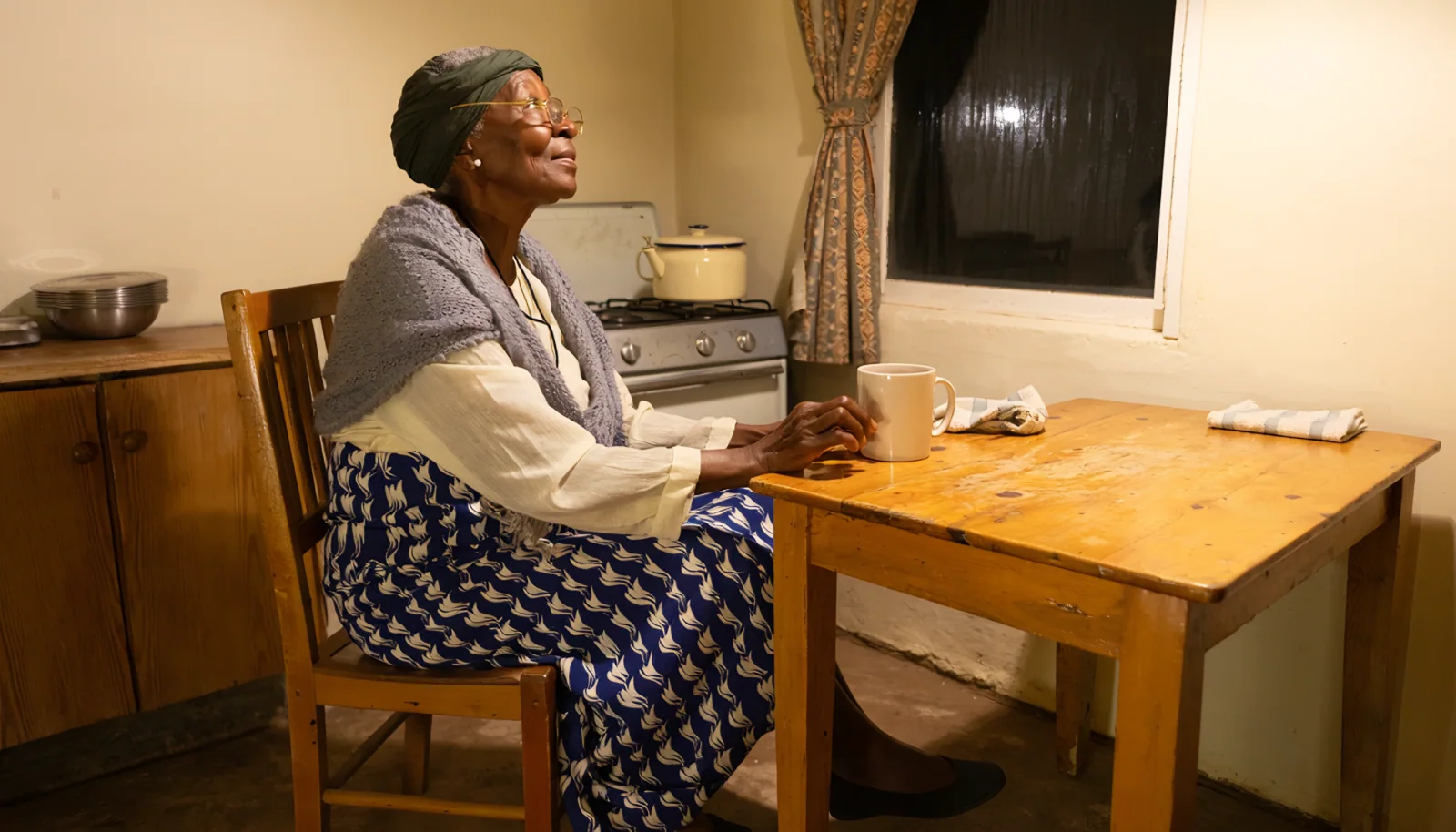
Animation (fictional). In Pula, a grandmother asks: "Does the mine have to respect my rights, or only the government?"
Modules
Module 1 · 18 min
Human rights and the Bill of Rights
Explain the three pillars of the UN Guiding Principles and the rights in the Bill of Rights most relevant to mining communities.
Module 2 · 18 min
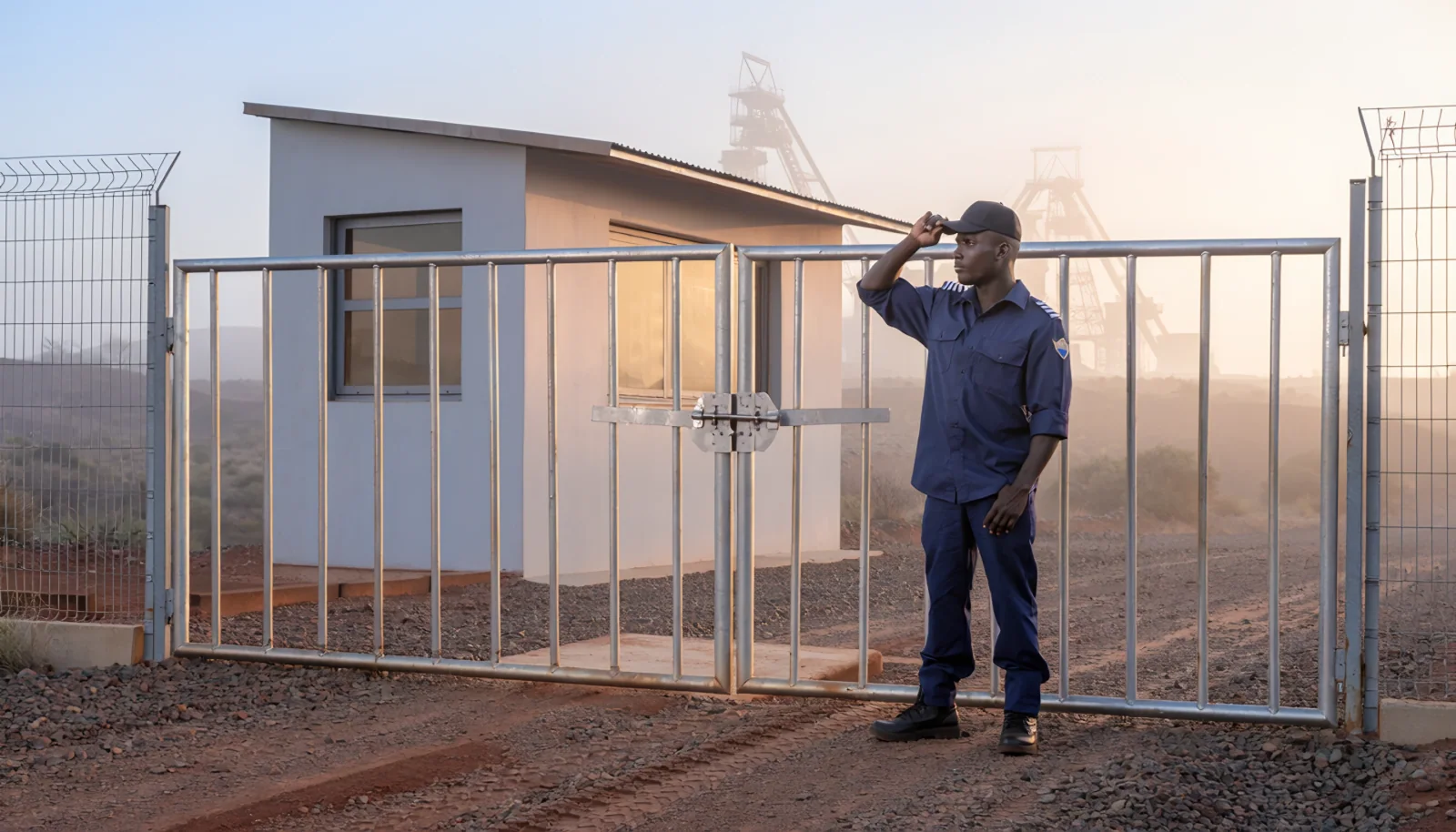
Security and human rights
Describe what good practice expects of mine security in relation to human rights, and where to raise concerns.
Module 3 · 18 min
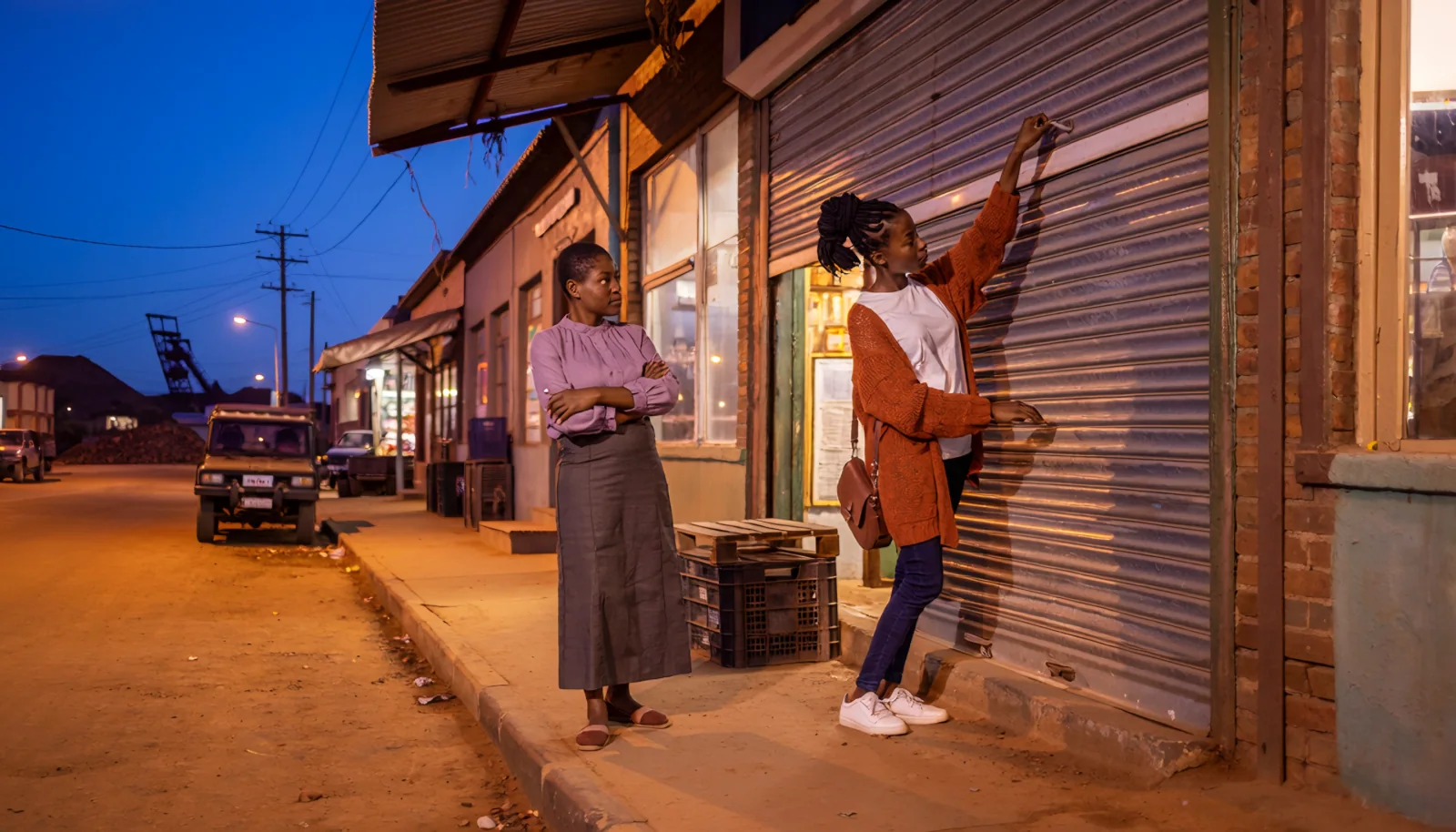
Gender, safety and gender-based violence
Recognise gender-based violence and know how to refer someone safely to help.
Module 4 · 18 min
Emergencies and community safety
Prepare for community emergencies using the official disaster management system.
Go deeper
- Household emergency plan template.
- Tailings and Communities course (Mining School course 7).
- Verified gender-based violence support contacts (confirmed at build).