
Mining School · Course 9
Owning Together: Community Trusts and Benefit Sharing
72 minutes · 4 modules of 18 minutes · Free
What this course is about
Many communities hold a share in a mine through a trust or similar vehicle, yet benefits often arrive late, decisions are hard to see and disputes divide villages. This course explains how community ownership works, what trustees must do, how the money flows, and how communities can hold their vehicles to account.
Who it is for
Community members whose trust or ownership vehicle holds a stake in a mine, trustees (community and company appointed), traditional and civic leaders, and mine and municipal officials who work with community ownership structures.
What you will be able to do
- Explain why community ownership structures exist in South African mining.
- Describe the basic legal duties of trustees and the role of the Master of the High Court.
- Follow how money flows into and out of a community trust, including debt and dividends.
- Use fair, lawful routes to improve accountability and resolve disputes.
Preview: the first two minutes
Module 1 · Introduction · 2 min
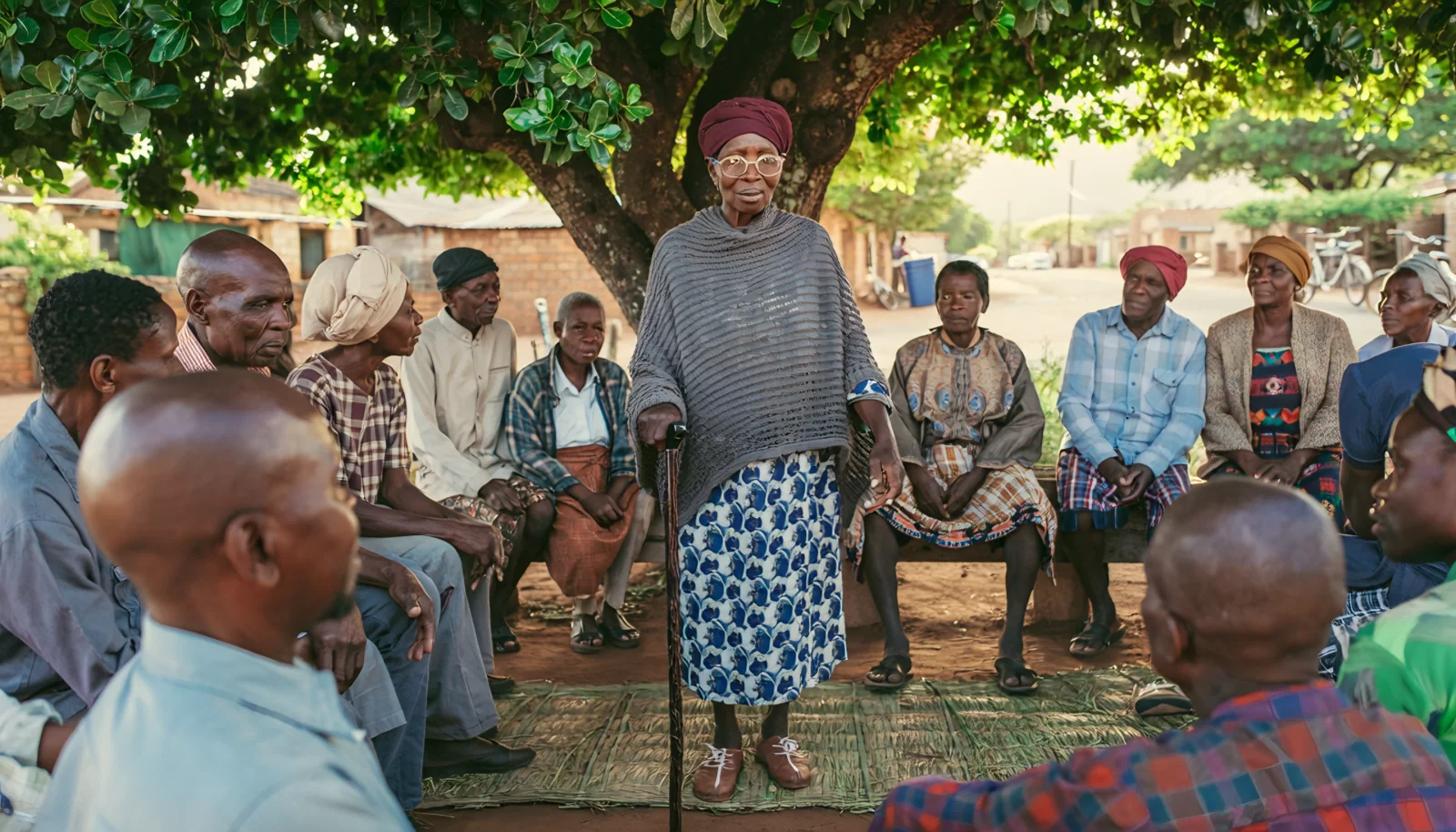
Animation (fictional): at a Kopano village meeting, an elder asks, "They say we own part of the mine. Then why have we never seen a cent?"
Modules
Module 1 · 18 min
Why community ownership exists
Explain why community ownership structures exist in South African mining.

Module 2 · 18 min
Trust law and trustees' duties
Describe the basic legal duties of trustees and the role of the Master of the High Court.
Module 3 · 18 min
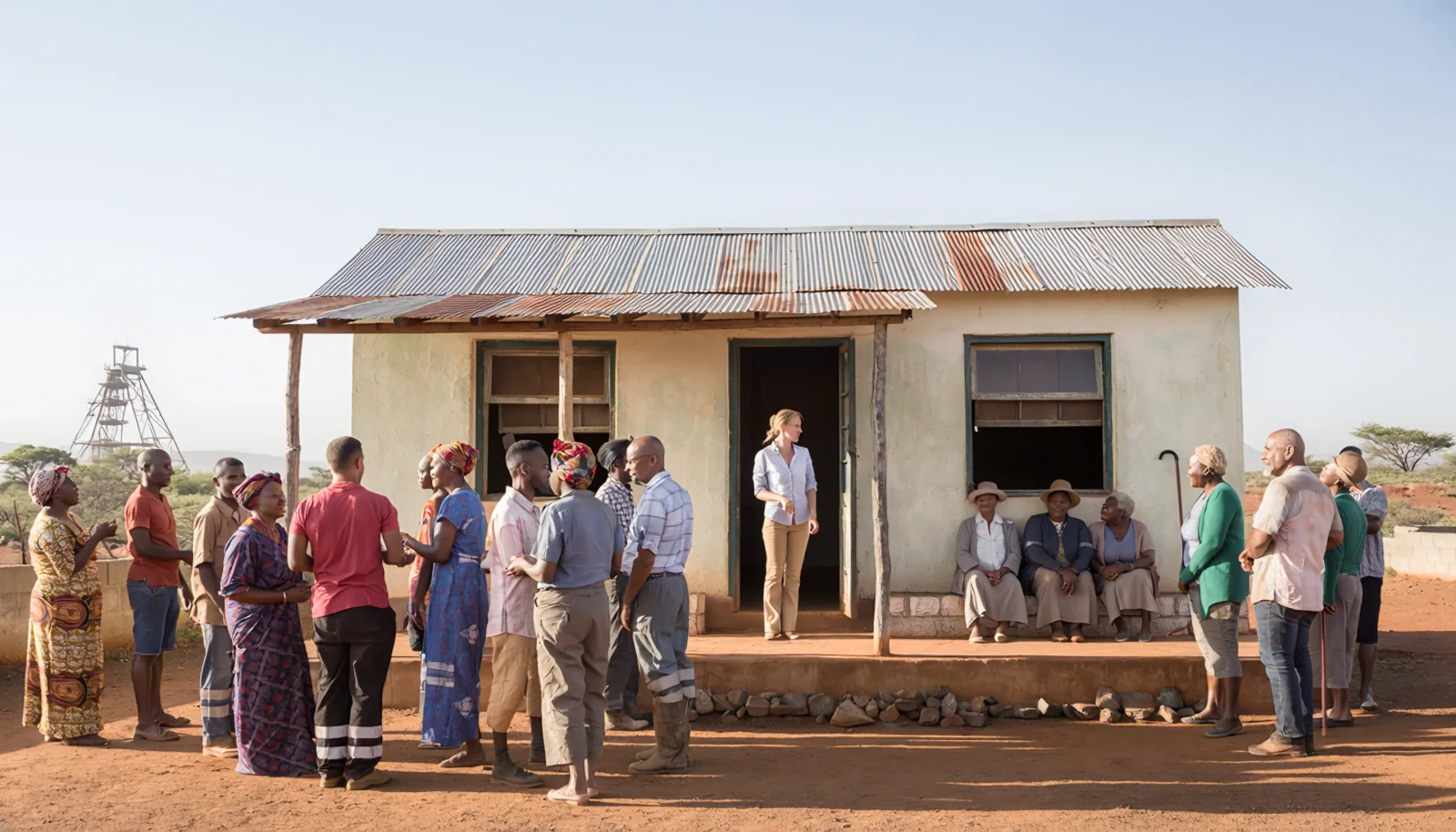
Following the money
Follow how money flows into and out of a community trust, including debt and dividends.
Module 4 · 18 min
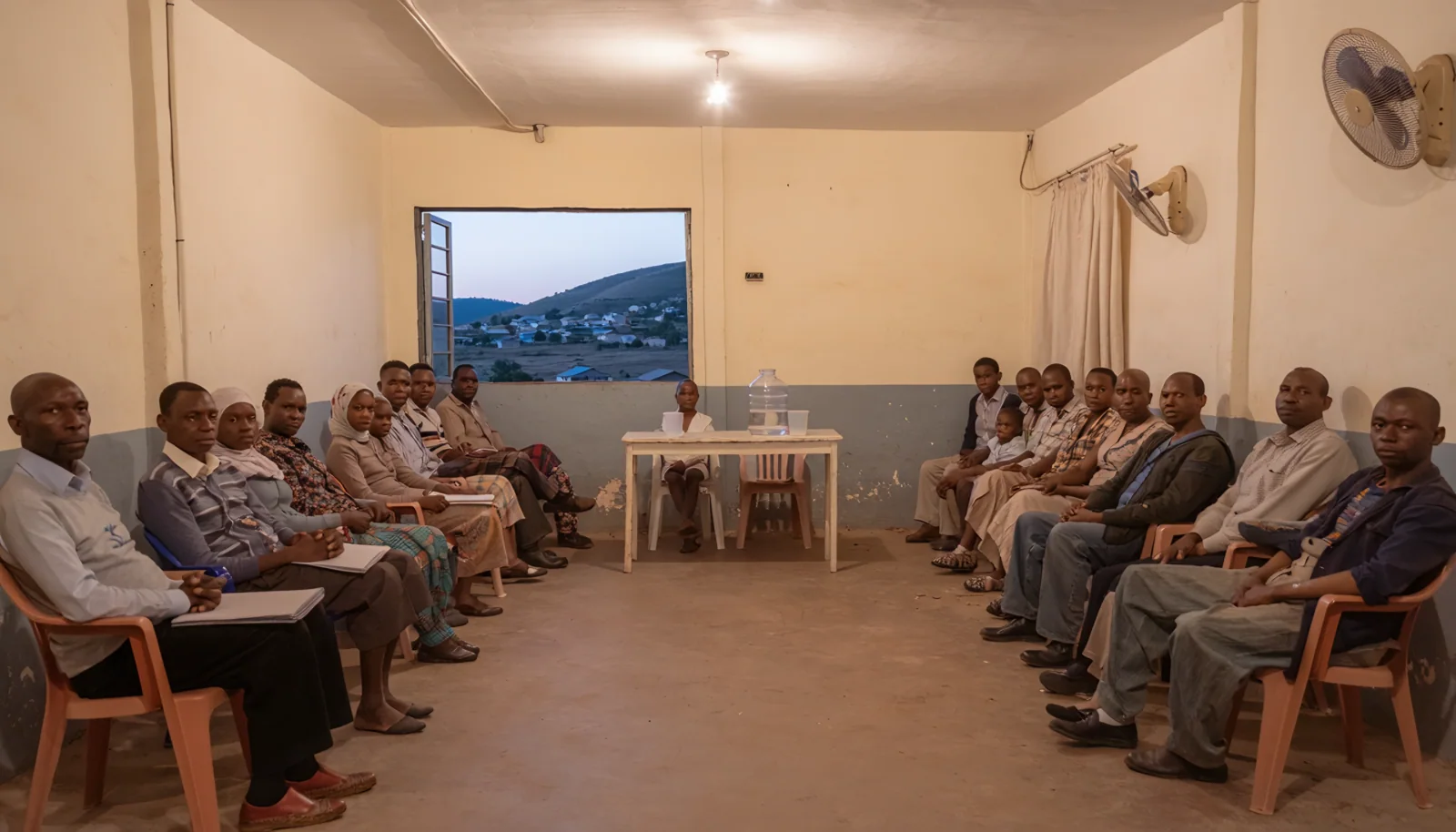
Accountability and fixing what goes wrong
Use fair, lawful routes to improve accountability and resolve disputes.
Go deeper
- Plain-language guide to reading a trust deed.
- Template letter requesting trust financial statements.